
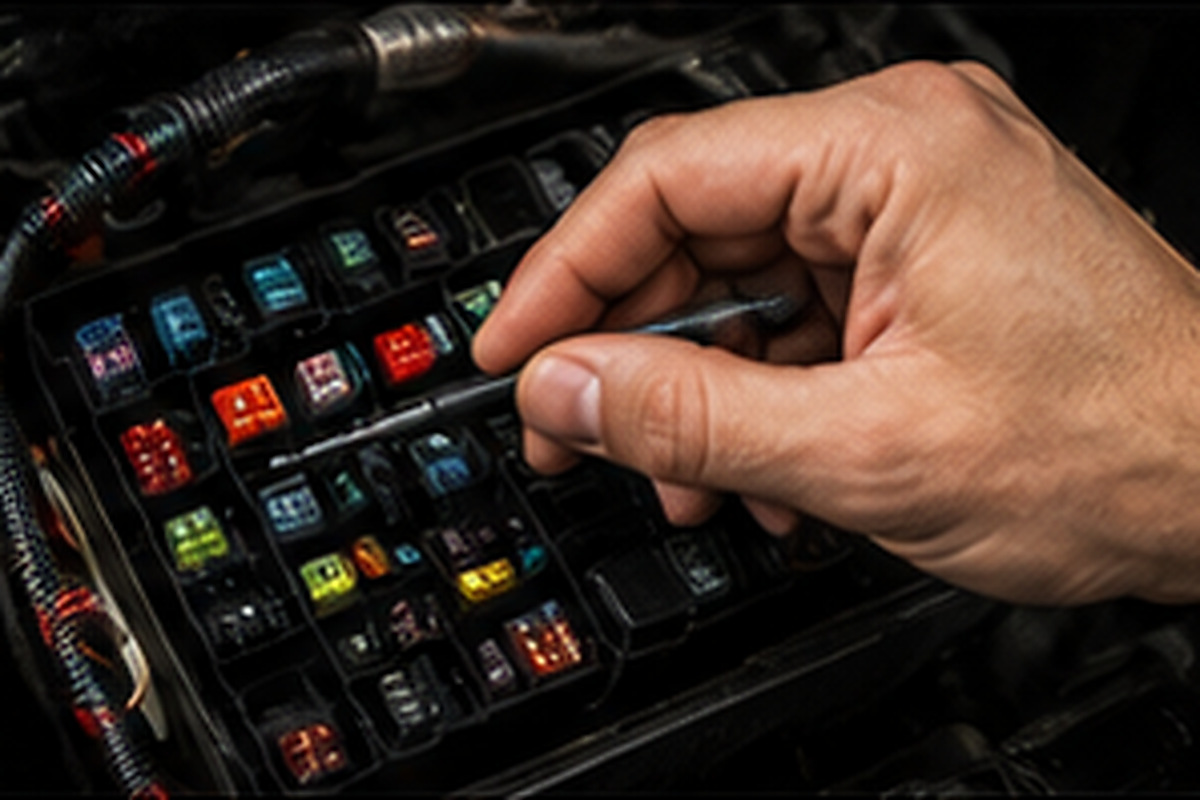
Modern vehicles depend on electrical power, wiring, control modules, sensors, grounds, switches, and communication networks. When one part of that system fails, the symptom may appear as a no-start condition, warning light, dead accessory, battery drain, intermittent operation, or several unrelated-looking problems at once.
Starks Automotive is located at 3937 W Market St, Louisville, KY 40212. Call (502) 776-8925 to describe the electrical concern and confirm current diagnostic and repair availability before bringing the vehicle in.
Common automotive electrical symptoms
- No-start or intermittent start: the engine may not crank, may crank slowly, or may start only after repeated attempts.
- Dim or flickering lights: lighting changes can relate to voltage, connections, grounds, charging output, bulbs, switches, or control circuits.
- Battery drain: a vehicle that repeatedly has a dead battery may have a weak battery, charging concern, poor connection, or an excessive key-off electrical draw.
- Accessory failure: windows, locks, seats, wipers, blower motors, outlets, audio equipment, or other devices may stop working or operate intermittently.
- Repeated fuse failure: a fuse that opens more than once can indicate a short circuit or overloaded component.
- Warning lights and communication faults: low voltage, wiring damage, network faults, or module problems can create multiple messages or trouble codes.
Why electrical problems can be difficult to trace
Electricity follows a complete path from the power source through the circuit and back to ground. A problem anywhere in that path can change voltage or current. Corrosion, loose terminals, damaged wiring, poor grounds, water intrusion, overheated connectors, failed switches, and internal component faults can create similar symptoms.
Intermittent problems add another challenge because the circuit may work correctly during the first inspection. Temperature, vibration, moisture, vehicle movement, and load can affect the fault. A detailed description of when the failure occurs can save diagnostic time.
What auto electrical diagnosis may include
Testing should be matched to the symptom and wiring design. The process may include checking battery state, measuring charging voltage and current, performing voltage-drop tests, inspecting terminals and grounds, testing fuses and relays, checking circuit power and ground, reviewing wiring diagrams, scanning control modules, and measuring key-off current draw.
A visual inspection can identify obvious damage, but many electrical faults require measurements under load. A circuit can show battery voltage on a meter and still fail when the component is operating because resistance in a connection limits current.
Wiring, connectors, fuses, relays, and modules
Wiring and connectors
Harness damage may come from heat, abrasion, impact, corrosion, prior repairs, rodent activity, or added accessories. Repairs should restore a secure mechanical connection, proper insulation, and protection from the environment.
Fuses and relays
Fuses protect wiring from excessive current. Installing a higher-rated fuse can allow the wiring to overheat and create a fire risk. Relays allow a low-current control circuit to switch a higher-current load, and both the relay and its control circuit may need testing.
Control modules and vehicle networks
Modules share information across communication networks. A lost power supply, bad ground, damaged data circuit, low voltage, or failed module can interrupt communication. Module replacement should not be recommended until power, ground, wiring, and configuration requirements have been checked.
Electrical safety and aftermarket equipment
A burning-plastic smell, smoke, melting insulation, hot wiring, or repeated high-current fuse failure should be treated as urgent. Turn the vehicle off when safe and disconnecting power should be left to someone who understands the vehicle’s battery, airbag, hybrid, and electronic-system precautions.
Aftermarket alarms, audio systems, remote starters, lighting, chargers, and other accessories can affect factory circuits when installed incorrectly or when a connection deteriorates. Tell the shop about any added equipment and recent electrical work.
Auto electrical repair in West Louisville
Drivers in Shawnee, Chickasaw, Russell, Portland, Parkland, Park DuValle, and nearby areas can call Starks Automotive to discuss electrical symptoms. Service availability can vary by vehicle and fault, so call before visiting.
For starting and charging concerns, continue to Battery, Starter, and Alternator Repair. For warning lights or unclear symptoms, review Vehicle Diagnostics.
Frequently asked questions
What are common signs of an automotive electrical problem?
Common signs include intermittent starting, dim or flickering lights, dead accessories, repeated fuse failure, warning lights, battery drain, wiring odors, or electrical features that work only sometimes.
Can a weak battery cause several warning lights?
Yes. Low system voltage can affect multiple control modules and create several warnings, but the battery, charging system, connections, and stored faults should be tested before the cause is assumed.
Should I replace a fuse that keeps blowing?
A replacement fuse of the correct rating may restore the circuit temporarily, but a fuse that repeatedly opens usually indicates an overload or short circuit that should be diagnosed. Never install a higher-rated fuse to keep the circuit operating.
How do I request auto electrical repair in West Louisville?
Call Starks Automotive at (502) 776-8925 with the vehicle information and a detailed description of what works, what does not work, and when the problem occurs. Call first to confirm current electrical-diagnostic availability.