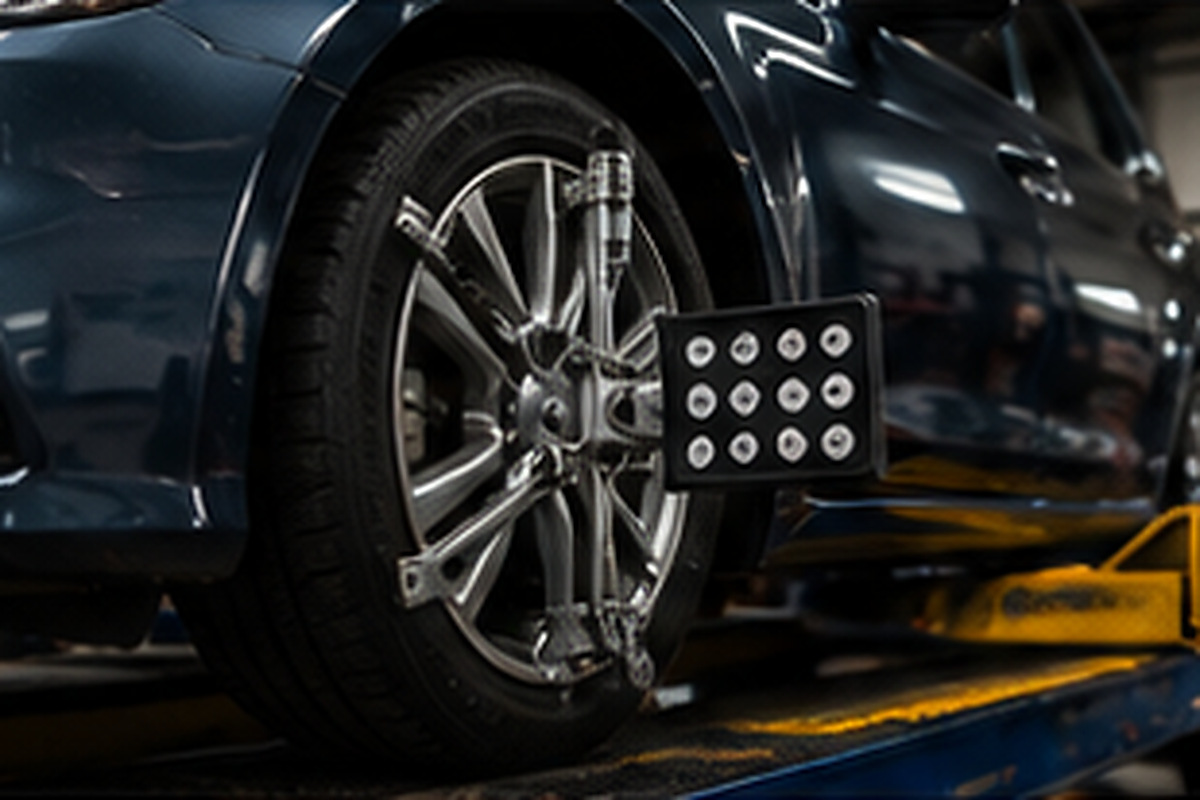
Steering and suspension systems keep the tires positioned, support vehicle weight, absorb road impacts, and help the driver maintain control. Pulling, looseness, clunks, vibration, uneven tire wear, or changes in handling should be inspected before the condition worsens.
Starks Automotive is located at 3937 W Market St, Louisville, KY 40212. Call (502) 776-8925 before visiting and describe whether the concern appears while turning, braking, accelerating, traveling over bumps, or driving at a particular speed.
Signs of steering or suspension trouble
- Pulling or drifting: the vehicle does not maintain a straight path or requires constant correction.
- Loose or delayed steering: the steering wheel moves before the vehicle responds, or the vehicle feels unstable.
- Clunking or knocking: noise occurs over bumps, during turns, when braking, or when changing direction.
- Excessive bouncing: the body continues moving after a bump or feels uncontrolled on uneven roads.
- Uneven tire wear: one edge, isolated patches, cupping, or rapid wear develops.
- Steering-wheel vibration: vibration changes with speed, braking, turning, or road surface.
- Fluid leakage or warning messages: hydraulic power-steering fluid is low or an electric-steering warning appears.
Components that may be involved
Vehicle design varies, but common steering and suspension parts include control arms, bushings, ball joints, tie rods, steering racks or gearboxes, struts, shocks, springs, strut mounts, sway bars and links, wheel bearings, knuckles, subframes, hydraulic pumps and hoses, electric steering motors, sensors, and control modules.
A symptom does not name the failed part. A clunk may come from a loose sway-bar link, worn bushing, ball joint, strut mount, steering connection, brake hardware, exhaust contact, or another source. Inspection and movement testing help isolate the actual cause.
Steering and suspension inspection
A useful inspection considers tire pressure and condition, wheel and tire damage, visible leaks, ride height, component looseness, torn boots, deteriorated bushings, spring condition, mounting hardware, wheel-bearing play, and evidence of collision or curb impact. A road test may help reproduce the noise, pull, vibration, or steering feel.
Some components must be checked with the suspension loaded; others are tested with the vehicle lifted. Manufacturer procedures and wear limits matter because normal movement in one design may indicate failure in another.
Alignment, tires, brakes, and suspension are connected
A wheel alignment adjusts specific angles so the tires track correctly, but alignment cannot correct a loose ball joint, bent control arm, failing wheel bearing, damaged tire, or brake that is dragging. Worn parts should be repaired before final alignment measurements are relied upon.
Tire pressure differences, tire construction, irregular wear, or internal tire damage can cause pulling and vibration. Brake concerns can cause a pull during stopping. Diagnosis should consider all of these systems rather than assuming every handling complaint needs an alignment.
Shocks and struts
Shocks and struts help control spring and body movement. Wear may contribute to excessive bouncing, nose dive, instability, poor tire contact, or fluid leakage. Replacement decisions should consider vehicle design, condition on both sides of the axle, mounts, springs, alignment needs, and the reason the vehicle is being inspected.
Power-steering concerns
Hydraulic systems can develop pump noise, leaks, belt problems, restricted hoses, fluid contamination, or internal rack concerns. Electric power steering can involve battery voltage, fuses, wiring, torque and position sensors, motors, modules, calibration, or mechanical binding. A warning light or loss of assist should be diagnosed before components are replaced.
When steering or suspension symptoms are unsafe
Stop driving if steering control is suddenly reduced, a wheel appears out of position, a tire contacts the body, a component is visibly detached, severe wobbling develops, or the vehicle cannot maintain a safe path. Arrange towing or other appropriate assistance. Continued driving with a critically loose steering or suspension part can lead to loss of control.
Suspension and steering repair in West Louisville
Starks Automotive provides a West Louisville contact for drivers experiencing pulling, clunks, looseness, bouncing, vibration, uneven tire wear, or steering-assist concerns. Call before visiting to confirm the shop’s current inspection, repair, alignment-referral, and parts capabilities.
Related symptoms may also require brake-system evaluation, vehicle diagnostics, or electrical testing for electronic steering systems.
Frequently asked questions
What causes a vehicle to pull to one side?
Pulling can involve tire pressure or tire condition, alignment, brake drag, suspension damage, steering components, road crown, or other factors. Inspection should identify the cause before an alignment or part replacement is recommended.
Does a clunk over bumps always mean the struts are bad?
No. Clunks can come from sway-bar links, bushings, ball joints, control arms, strut mounts, loose hardware, steering components, exhaust contact, or other parts. The noise location and component movement should be checked.
Can worn suspension parts damage tires?
Yes. Loose or worn steering and suspension components can change wheel position and contribute to irregular tire wear. Tire problems can also create vibration or pulling that resembles a suspension concern.
How do I request suspension or steering repair in Louisville?
Call Starks Automotive at (502) 776-8925 with the vehicle year, make, model, the noise or handling symptom, when it occurs, and any recent tire, alignment, or collision work. Call first to confirm current service availability.