
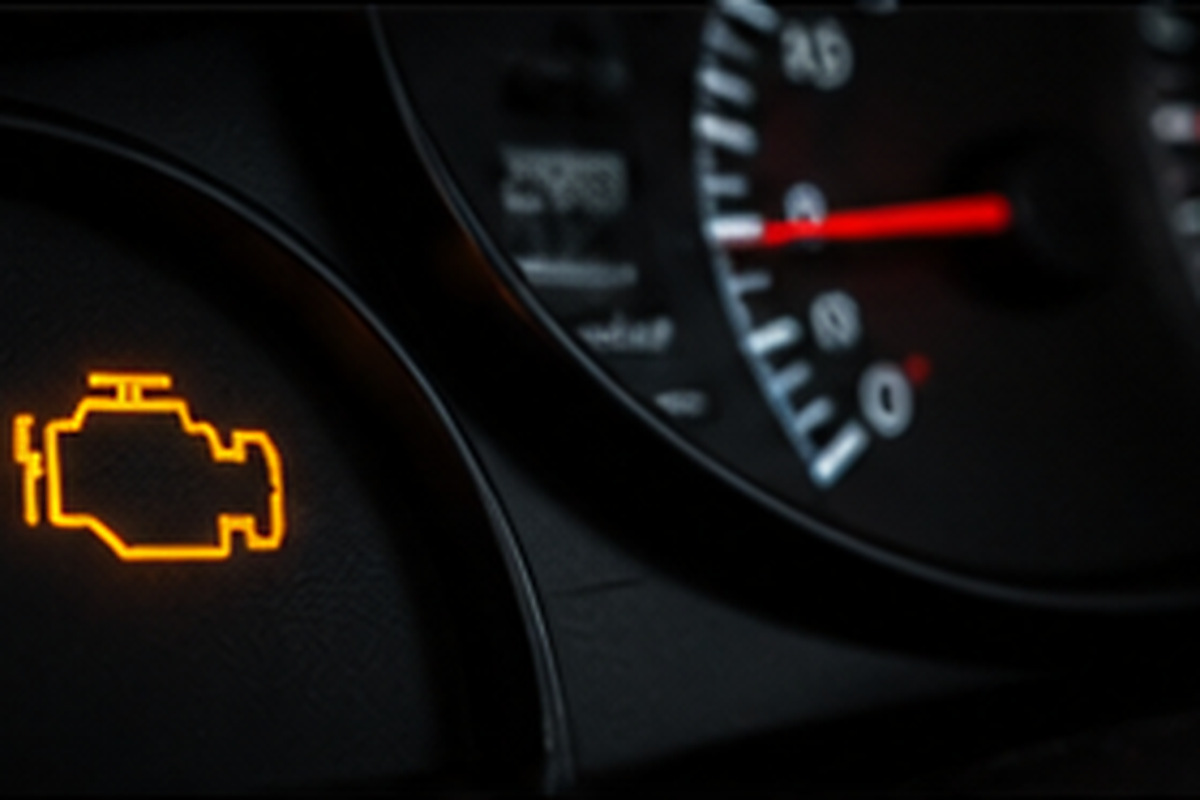
A check engine light means the vehicle computer detected a condition that requires attention. The light may be steady, intermittent, or flashing, and the vehicle may or may not show an obvious change in the way it runs.
Starks Automotive is located at 3937 W Market St in Louisville. Call (502) 776-8925 to describe the light, the vehicle symptoms, and whether the vehicle feels safe to drive.
Steady check engine light versus flashing check engine light
Steady check engine light
A steady light usually means the vehicle has detected a fault and stored information that can help guide diagnosis. The vehicle may appear to drive normally, or it may have rough running, reduced power, hard starting, unusual fuel use, or another symptom. Schedule an evaluation rather than assuming the problem will correct itself.
Flashing check engine light
A flashing check engine light deserves greater caution. It can indicate an active condition severe enough to damage the catalytic converter or affect safe and reliable operation. Reduce acceleration and load, move to a safe location, and seek professional guidance. Do not continue normal driving simply to see whether the light stops flashing.
Common categories of check engine light causes
The check engine light can be triggered by many systems. The following categories are examples, not a diagnosis of any specific vehicle:
- Ignition and misfire concerns: spark, coil, wiring, fuel, air, compression, or other conditions that prevent a cylinder from operating correctly.
- Air and fuel measurement concerns: unmetered air, sensor data, fuel delivery, or control conditions that affect the air-fuel mixture.
- Evaporative-emissions concerns: a loose or damaged fuel cap, leak, valve, hose, or control issue in the fuel-vapor system.
- Exhaust and catalyst concerns: oxygen-sensor information, exhaust leaks, catalyst efficiency, or conditions that may damage the catalytic converter.
- Electrical and circuit concerns: damaged wiring, poor connection, low voltage, open circuit, short circuit, or component failure.
- Mechanical or timing concerns: engine condition, valve timing, vacuum, compression, or another mechanical issue that affects monitored performance.
Why a code is not a complete diagnosis
A diagnostic trouble code describes what the vehicle detected. It may identify a cylinder, circuit, sensor range, emissions leak, or system performance condition. The code does not always identify the part that caused the condition.
A sensor can report an abnormal value because the sensor failed, because the wiring is damaged, or because the engine condition being measured is genuinely abnormal. Testing helps distinguish those possibilities. Replacing a part based only on a code description can leave the original problem unresolved.
What to do when the light comes on
- Observe the light. Determine whether it is steady or flashing and whether another warning appears.
- Notice the vehicle behavior. Pay attention to shaking, loss of power, unusual noise, smoke, odor, overheating, or difficult starting.
- Check for an immediate safety concern. Stop driving if the vehicle is overheating, losing oil pressure, smoking, leaking heavily, or operating in an unsafe way.
- Do not erase useful information. Avoid clearing codes or disconnecting the battery before the visit unless necessary for safety.
- Call with the details. Provide the year, make, model, mileage, light behavior, symptoms, and recent repairs.
What a check engine light evaluation may include
The process may include retrieving stored and pending codes, reviewing freeze-frame information and operating data, inspecting related components, checking technical conditions, and performing system-specific tests. The exact steps depend on the code, vehicle, symptoms, and information available.
If the light recently appeared after fueling, confirm that the fuel cap is installed correctly when the vehicle uses a removable cap. That simple check may be appropriate, but it does not replace diagnosis when the light stays on, returns, or is accompanied by other symptoms.
Check engine light diagnostics in West Louisville
Starks Automotive provides a local contact point for drivers in Shawnee, Chickasaw, Russell, Portland, Parkland, Park DuValle, and surrounding Louisville communities. Call before visiting to confirm current diagnostic availability.
Learn more about the broader testing process on the Vehicle Diagnostics page, or review General Auto Repair for other vehicle concerns.
Contact Starks Automotive
Call (502) 776-8925. The shop is located at 3937 W Market St, Louisville, KY 40212. Regular published hours are Monday through Friday from 9:00 a.m. to 5:00 p.m.
Frequently asked questions
What does a steady check engine light mean?
A steady check engine light means the vehicle detected a condition that should be diagnosed. The vehicle may still seem to drive normally, but the cause should not be assumed or ignored.
What does a flashing check engine light mean?
A flashing check engine light can indicate a severe active problem, often one that may damage the catalytic converter or affect driveability. Reduce load, stop safely, and seek professional guidance rather than continuing to drive normally.
Can a loose gas cap cause the check engine light?
A loose, damaged, or poorly sealing fuel cap can cause some evaporative-emissions codes, but it is only one possible cause. If the light remains on or returns, the vehicle should be diagnosed.
Can I erase the code and keep driving?
Clearing the code removes useful information and does not correct the cause. The light may return, and readiness monitors may reset. Diagnose the reason the code set before relying on the vehicle.
Where can I call about a check engine light in West Louisville?
Call Starks Automotive at (502) 776-8925. The shop is located at 3937 W Market St, Louisville, Kentucky 40212.