
Brake problems should be evaluated before a small change becomes a serious safety concern. If a vehicle squeals, grinds, pulls, vibrates, takes longer to stop, or develops a different pedal feel, call Starks Automotive to discuss the symptoms and confirm current brake-service availability.
Starks Automotive is located at 3937 W Market St, Louisville, KY 40212. Call (502) 776-8925 before visiting and explain when the brake concern occurs, whether a warning light is on, and whether the vehicle still feels safe to drive.
Signs that a braking system needs attention
Brake wear does not always appear as one obvious symptom. A driver may first notice a sound, a change in pedal feel, a vibration, or a difference in how the vehicle tracks during a stop. The important step is to describe the change accurately instead of assuming a specific part has failed.
- Squealing or scraping: a high-pitched sound may be related to a wear indicator, glazing, contamination, hardware, or another condition.
- Grinding: a harsh grinding sound can indicate advanced wear or contact between surfaces that should not be touching.
- Pedal changes: a soft, low, hard, pulsating, or slowly sinking brake pedal requires prompt attention.
- Vehicle movement: pulling, wandering, shaking, or steering-wheel vibration during braking may point to uneven braking or another chassis concern.
- Longer stopping distance: any noticeable reduction in stopping performance should be treated as a safety issue.
- Warning lights: a red brake warning light, ABS light, or related dashboard message may require diagnosis in addition to a mechanical inspection.
What a brake inspection may include
A brake evaluation should consider the complete system rather than focusing only on the brake pads. Depending on the vehicle and complaint, the inspection may include the friction material, rotors or drums, calipers, wheel cylinders, hoses, lines, fluid condition, parking brake, hardware, wheel bearings, and electronic brake-control information.
The technician may also compare the customer complaint with a road test when the vehicle is safe to operate. A vibration that occurs only at highway speed, a pull that happens only during a hard stop, or a noise that appears after the vehicle sits overnight can point the inspection in different directions.
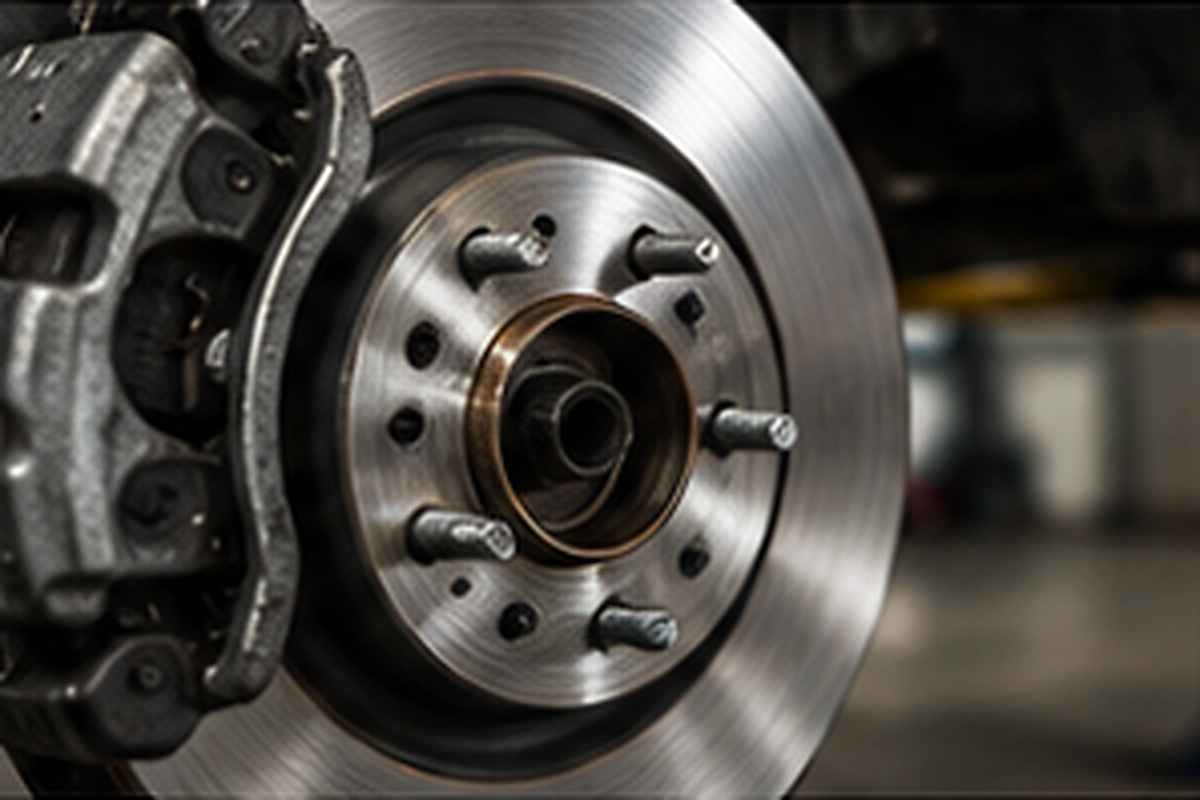
Brake pads, rotors, calipers, and hydraulic components
Brake pads and shoes
Pads and shoes create friction to slow the vehicle. Their remaining thickness matters, but wear pattern matters too. Uneven wear can suggest a sticking caliper, restricted hose, damaged hardware, poor adjustment, or another condition that should be corrected rather than covered up with new friction material.
Rotors and drums
Rotors and drums must remain within service specifications and provide a suitable braking surface. Heat damage, scoring, cracking, excessive corrosion, thickness variation, or runout can contribute to noise, pulsation, and reduced performance.
Calipers and hydraulic parts
Calipers, wheel cylinders, hoses, lines, the master cylinder, and brake fluid transfer the driver’s pedal input into braking force. Leaks, binding, internal restrictions, air, contamination, or electronic-control issues can change how the brakes apply and release.
Why diagnosis should come before a brake estimate
A customer may search for “brake pads” because that is the most familiar term, but the symptom may involve several parts of the system. An accurate recommendation requires an inspection of the vehicle and confirmation of the cause. Quoting a complete repair from a sound alone can lead to missed damage, unnecessary parts, or an incomplete repair plan.
When a repair is recommended, ask which components failed inspection, which parts are safety-critical, and whether related work should be completed at the same time. Clear findings help the customer understand the difference between immediate repairs and maintenance that can be planned.
What to do when braking feels unsafe
Do not continue normal driving when the pedal goes to the floor, braking force is severely reduced, fluid is leaking, the vehicle pulls violently, smoke appears near a wheel, or the red brake warning light is accompanied by a major change in braking. Move to a safe location when possible and arrange towing or other appropriate assistance.
For brake concerns in West Louisville, call (502) 776-8925. Describe the symptom before bringing the vehicle to the shop.
Brake repair in West Louisville
The West Market Street location is convenient to drivers in Shawnee, Chickasaw, Russell, Portland, Parkland, Park DuValle, and surrounding Louisville neighborhoods. Call ahead to confirm that the needed inspection or repair is within the shop’s current service scope.
For symptoms that may involve more than the braking system, review Vehicle Diagnostics or the broader General Auto Repair page.
Frequently asked questions
What are common signs that brakes need attention?
Common warning signs include squealing, grinding, vibration, pulling, a soft or low brake pedal, increased stopping distance, a brake warning light, or a change in the way the vehicle slows down.
Can I keep driving if the brakes are grinding?
Grinding can indicate severe wear or metal-to-metal contact. Driving may increase damage and reduce braking performance, so stop using the vehicle if braking feels unsafe and arrange appropriate assistance.
Does a brake noise always mean the brake pads are worn out?
No. Brake noise can come from several causes, including pad wear, rotor condition, hardware, contamination, corrosion, or another component. An inspection is needed before recommending parts.
How do I request brake repair in West Louisville?
Call Starks Automotive at (502) 776-8925 with the vehicle year, make, model, mileage, and a description of the brake symptom. The shop is located at 3937 W Market St, Louisville, Kentucky 40212.